Temperature-Controlled Pharma
Because ambient isn't always ambient, and cold chain leaves zero room for assumptions.
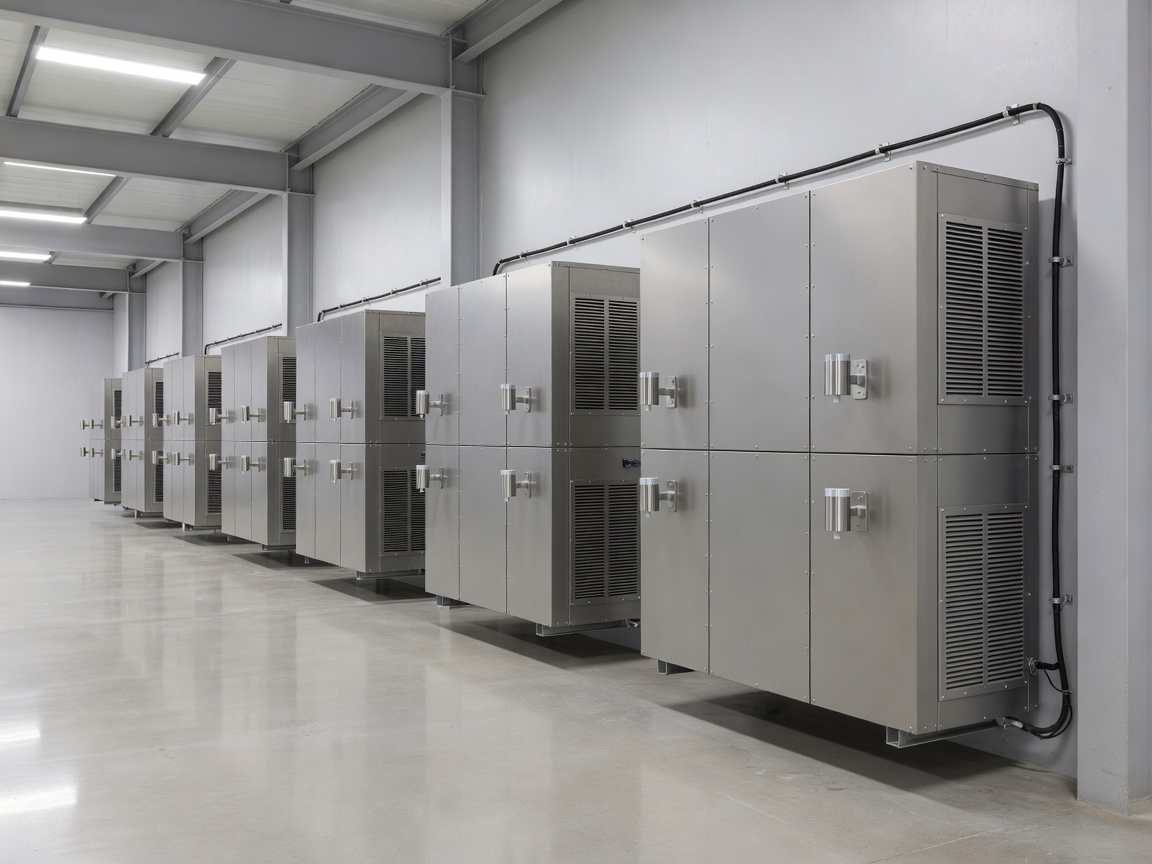
The Physics of Compliance
Pharmaceutical efficacy is fundamentally tied to physical chemistry, and chemistry cares deeply about temperature. We often throw around terms like "cold chain" or "ambient," but practically implementing these environments across vast warehouse spaces requires serious engineering and relentless observation.
Understanding Ambient and Cold-Chain Storage
It's a common misconception that "ambient" means "whatever the weather is today." In pharmaceutical logistics, controlled ambient usually refers to tightly mapped parameters—often around the 15°C to 25°C mark. If a summer heatwave hits Brussels or a deep freeze sets in across Berlin, the internal warehouse climate cannot drift.
Cold-chain storage is even more sensitive. Biologics, vaccines, and certain insulins often require strict ranges (typically 2°C to 8°C). The trade-offs here are operational: cold rooms are expensive to run, uncomfortable for staff to work in for extended periods, and require specialized, insulated handling when product is moved to the loading dock.
Temperature Mapping and Monitoring
You can't just stick a thermometer on the wall and call it a day. Warehouses must undergo rigorous temperature mapping. This involves placing dozens of sensors throughout the racking structure—high up near the lights, down low by the concrete, near the loading doors—to identify hot and cold spots.
Once mapped, continuous monitoring systems take over. These systems record data at frequent intervals, building an unbroken digital log that proves the product was maintained correctly during its entire stay in the facility. Without this record, the product might as well be considered compromised.
Alarm Workflows and Contingencies
What happens at 2 AM when a compressor fails? Alarm workflows are the safety net. Monitoring systems must be configured to alert on-call staff immediately when temperatures approach acceptable limits (not just when they breach them). This early warning allows the team to act—moving stock to backup units or spinning up redundant cooling systems.
Contingency planning is mandatory. Power grid failures or mechanical breakdowns are inevitable. Having backup generators, redundant HVAC systems, and pre-qualified insulated shipping containers ready to go is how a facility survives an infrastructure crisis without losing millions in inventory.
Loading, Unloading, and Packaging Discipline
The most vulnerable moments in the warehouse lifecycle are receiving and dispatch. Taking a pallet from a refrigerated truck across an ambient loading dock into a cold room creates a brief window of exposure. Disciplined teams minimize this window, often utilizing temperature-controlled airlocks or rapid roll-doors.
Packaging also plays a crucial role. For distribution, items are often packed into validated active or passive cooling containers. Understanding the thermal mass of the product and how it interacts with coolants (like phase-change materials) is vital to ensure the product survives its journey to the hospital or pharmacy.