Pharmaceutical Warehouse Storage
Laying the physical groundwork for compliant, safe, and efficient medical supply chains.
The Architecture of Control
Let's be honest, storing pharmaceuticals isn't like storing consumer electronics. The physical space you operate in dictates the safety of the products passing through it. From the moment a pallet touches the receiving dock to the second it's loaded for dispatch, every square meter must serve a specific, documented purpose.
Warehouse Zoning and Segregation
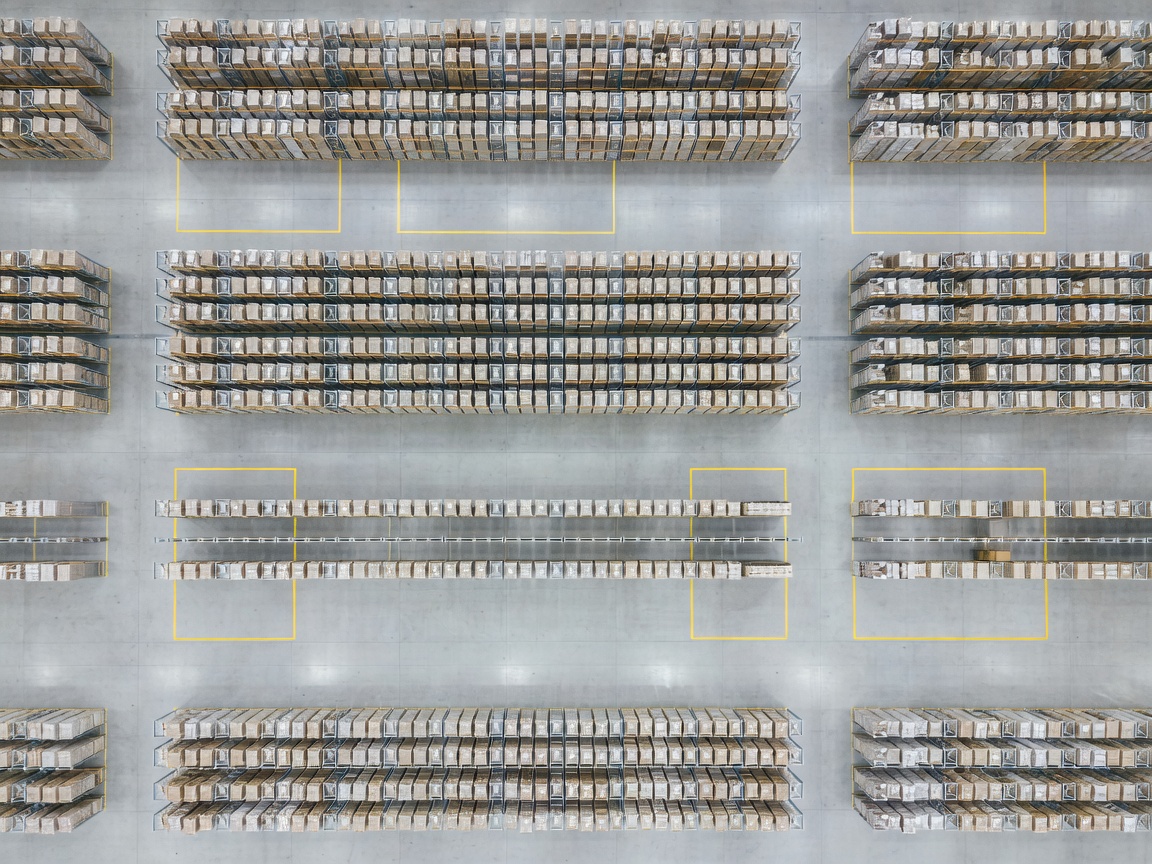
You can't mix distinct product states. A proper pharmaceutical facility utilizes strict physical or electronic zoning. When goods arrive, they usually land in a quarantine area. This isn't just a suggestion; it's a structural barrier keeping unverified stock away from dispatch-ready inventory.
Beyond quarantine, facilities segregate based on product risk. Highly active substances, narcotics, and controlled drugs require distinct cages with their own access logs. Even packaging materials are often separated to prevent accidental cross-contamination. Zoning limits errors before a human even has a chance to make one.
Receiving and Put-Away
The receiving dock is your first line of defense. Deliveries are checked for seal integrity, temperature data-logger readouts during transit, and batch documentation. If a pallet arrives and the paperwork doesn't match the physical boxes, it stays in quarantine.
Put-away logic relies heavily on warehouse management systems (WMS). The system directs forklift operators to specific bins based on the product's storage requirements (ambient vs. cold) and weight limits. It's a calculated dance, heavily reliant on barcode scanning to ensure the product physically lands where the system thinks it is.
Batch-Oriented Storage Planning
Unlike retail, pharma storage is ruthlessly batch-oriented. You aren't just storing "Aspirin"; you are storing Batch #9938A with an expiry of June 2028. Storing multiple batches of the same product in a single pick face is a recipe for picking errors. Consequently, storage planning often dedicates specific pallet locations to specific batches, even if it means utilizing warehouse volume slightly less efficiently. The trade-off for accuracy is always worth it in healthcare.
Controlled Access and Security
Who is allowed where? It's a critical question. General warehouse staff might not have badge access to the controlled drug vault or the deep-freeze units. Restricting access minimizes unauthorized handling and creates a clean digital trail of who was in a specific zone if a deviation occurs.
Picking, Dispatch, and Documentation
When an order drops, picking must be systematic. Whether using pick-to-light, voice picking, or RF scanners, the goal is verification at the point of action. Once picked, goods move to a dispatch staging area where a secondary check—often by a different team member or automated weight-check system—verifies the order.
The final documentation includes not just what is leaving, but the conditions under which it is leaving. Are we handing off to a temperature-controlled truck? Is the driver's identity verified? The warehouse's job doesn't end when the box is taped; it ends when custody is successfully and legally transferred.